Herbie Hancock’s Legacy: From Child Prodigy to Electronic Pioneer
Trip02
Few artists have traversed more musical ground than Herbie Hancock. Born in Chicago in 1940 and named after singer Herb Jeffries, Hancock was a child piano prodigy who performed Mozart’s D major Piano Concerto with the Chicago Symphony Orchestra at age eleven. During his teens he fell in love with jazz after hearing Art Blakey’s Hard Bop, and while studying at Grinnell College he pursued both electrical engineering and music composition, a combination that later allowed him to become a pioneer of electronic instruments. Trumpeter Donald Byrd invited him to New York in 1961, leading to his Blue Note debut Takin’ Off and the hit single “Watermelon Man”. His virtuosity impressed Miles Davis, who hired him for the Second Great Quintet; together with Ron Carter and Tony Williams, Hancock helped redefine the jazz rhythm section.
By the early 1970s Hancock’s curiosity led him to fuse jazz with funk and electronics. With his Mwandishi and Head Hunters ensembles he experimented with synthesizers and African-inspired rhythms, yielding the platinum‑selling album Head Hunters. His dual background in science and music made him, as one article puts it, the “gadget guy of jazz.” Equipped with ARP Odyssey synthesizers and an engineer’s mindset, he blazed new sonic terrain and even demonstrated synthesizers on Sesame Street. He shared technological knowledge with peers such as Quincy Jones, bridging jazz, funk and pop. Over the course of his career he amassed fourteen Grammy Awards and even an Oscar for his score to Round Midnight.
The Story Behind “Rockit”: Hip‑Hop Meets Synth‑Funk
By the early 1980s hip‑hop was still dismissed by many critics as a fad. Hancock, always open to new sounds, was fascinated by the emerging art of record scratching. In his documentary Possibilities he recalled hearing scratching as a rhythmic ambient sound and thinking, “I want to do something with that”. To explore this idea he teamed with Bill Laswell and Michael Beinhorn of the experimental band Material. They built a rhythmic track using an Oberheim DMX drum machine, batá drums, a serendipitous guitar stab lifted from Led Zeppelin, and a vocoder sample from Afrika Bambaataa’s “Planet Rock”. Laswell sought out the Bronx turntablist Grandmixer DXT (then known as D.ST); after receiving guidance from Afrika Bambaataa, DXT scratched the Fab Five Freddy record “Change The Beat,” looping the word “fresh” that became the track’s signature. The resulting single, “Rockit,” released on 1 August 1983, was a futuristic blend of funk bass, vocoder melodies and scratching.
“Rockit” stunned audiences. Hancock’s 1983 Grammy performance, featuring robotic sculptures by artist Jim Whiting and DXT’s scratching, introduced turntablism to mainstream television. The track earned the Grammy for Best R&B Instrumental and its video swept five awards at the inaugural 1984 MTV Video Music Awards. More importantly, the song legitimized hip‑hop as a serious musical force. As music writer Matthew Allen notes, “Rockit” propelled scratching into the mainstream and became a break‑dancing anthem; at one contest, 24 of 25 crews chose it as their routine. The song’s success laid groundwork for later jazz‑hip‑hop collaborations; from A Tribe Called Quest’s Low End Theory to the fusion experiments of Robert Glasper. Hancock’s willingness to treat the turntable as a solo instrument brought hip‑hop to new audiences and proved that electronic experimentation could coexist with improvisation.
5th Empire and Boise’s Beat‑Battle Movement
In Boise, Idaho, 5th Empire has built a community around reimagining classic songs. Founded by veteran DJ and producer Mike Gradian (aka The Mighty DeltaOne), the collective hosts beat battles where producers remix iconic tracks and invite listeners to vote. Recent challenges have ranged from Led Zeppelin’s “Good Times Bad Times” to Barry White’s “I’m Gonna Love You Just a Little More Baby.” Each post contextualizes the original song, introduces the producers’ styles and underscores Boise’s growing beat scene. The battles demonstrate that innovative beat culture isn’t limited to major cities; 5th Empire nurtures local talent and connects Idaho’s producers with global music history.
Following this tradition, 5th Empire’s latest battle invites four producers to flip Herbie Hancock’s groundbreaking single “Rockit.” The choice is fitting: “Rockit” itself was a radical remix of funk and hip‑hop, and its DIY electro‑funk aesthetic resonates with modern beatmakers. As we celebrate over four decades of Hancock’s innovation, Boise producers pay homage by reinterpreting the track’s vocoder melodies, scratching and robotic groove.
Meet the Producers Taking on “Rockit”
Mighty DeltaOne
Four producers step into this latest 5th Empire beat battle, each bringing their own creative lens to Rockit. Their challenge: reinterpret one of the most influential electro-funk recordings ever made and carry its legacy forward for a new generation of listeners.
Mighty DeltaOne
As the founder of 5th Empire, Mighty DeltaOne has spent more than two decades cultivating Boise’s DJ and producer culture while continuing to evolve his own sound along the way. Known for his crate-digging instincts and deep respect for music history, he approaches each beat battle as both a tribute and a conversation with the original artist. His presence in this challenge reflects the same spirit that has shaped the collective since its earliest sessions: honor the past, then push forward.
Willie Fade
A rising force within Boise’s underground electronic scene, Willie Fade brings an energy shaped by warehouse sets, late-night dance floors, and community-driven performance culture. His work across DJing, production, and radio programming reflects a commitment to keeping local beat culture moving and connected. In the Rockit challenge, he represents the bridge between classic electro influence and today’s evolving club-driven sound landscape.
Trip02
Every beat battle benefits from a wildcard; and Trip02 brings exactly that spirit to the lineup. With a style rooted in experimentation and texture-driven production, Trip02’s approach reflects the exploratory mindset that made Rockit itself such a groundbreaking release in 1983. Their inclusion in this battle highlights the role emerging voices play in continuing the evolution of electronic music culture.
Enji
Known within the 5th Empire circle for smooth musical instincts and forward-thinking sound design, Enji represents the melodic edge of the collective’s production spectrum. His work consistently balances atmosphere and rhythm in ways that invite repeat listening and reinterpretation. In a challenge built around one of electronic jazz’s most iconic recordings, Enji adds another dimension to the conversation between legacy and innovation.
Why This Beat Battle Matters
Reimagining “Rockit” is more than a remix challenge; it’s a conversation across generations. Hancock’s single legitimized hip‑hop scratching and bridged jazz with electronic music. By flipping the track, Boise producers honor several legacies:
- Herbie Hancock’s innovation: His willingness to embrace technology and hip‑hop turned “Rockit” into a cultural landmark, earning Grammys and MTV awards while introducing scratching to mainstream audiences.
- Hip‑hop’s early pioneers: Grandmixer DXT’s scratches and Fab Five Freddy’s “fresh” sample became templates for turntablism. The new remixes acknowledge that lineage by treating the turntable as an instrument.
- Boise’s burgeoning beat scene: 5th Empire shows that creative beat culture flourishes far from traditional music capitals. These battles connect local producers with global music history, proving that great music knows no borders.
Final Thoughts: Join the Conversation
Herbie Hancock’s “Rockit” wasn’t just a hit; it was a revolution that elevated hip‑hop, showcased the possibilities of electronic music and inspired generations of producers. Over forty years later, 5th Empire’s beat battle invites us to relive that innovation. Will Mighty DeltaOne’s boom‑bap scratches win your vote? Will Willie Fade’s rave‑ready remix get you moving? Could Trip02’s psychedelic trip‑hop flip or Enji’s smooth, futuristic groove steal the show?
Press play on each remix and cast your vote in the comments. In doing so, you participate in a dialogue that began in the 1980s with a pioneering jazz musician and continues today in Boise’s vibrant beat labs. Let the music speak, celebrate Herbie Hancock’s enduring legacy and help crown the next beat‑battle champion.

While not only a Boise, Idaho DJ, Mike Gradian has been a staple DJ in the “City of Trees” for decades. He continues to grace venues across the state keeping the art of turntablism alive!

Related posts

Holiday Nostalgia Meets Modern Beats: 5th Empire Producers Remix McCartney’s “Wonderful Christmastime”
Willie Fade Mighty DeltaOne HansCholo Enji Few Christmas songs spark conversation quite like Paul McCart …
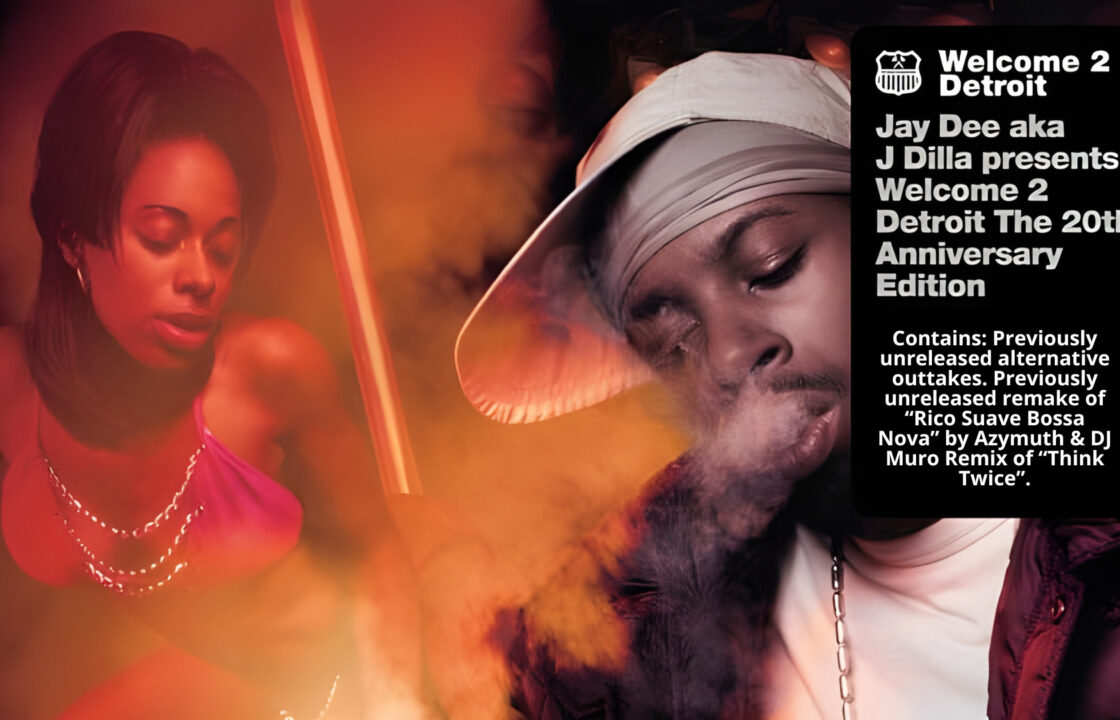
Beats Beyond Borders: 5th Empire’s Producers Reimagine Jay Dee & Azymuth’s Bossa‑Nova Classic
Paying respect to a legendary blueprint: J Dilla and “Rico Suave Bossa Nova” The Mighty DeltaOne Willi …